
The most credible estimated net worth range for Forte Tenors (officially styled FORTE or FORTÉ) as a group sits somewhere between $1 million and $5 million in combined value, based on their touring activity, Columbia Records association, streaming footprint of over 320 million Spotify streams, and the available individual member data. Don Prospiro Colonna's net worth is often discussed separately from the Forte Tenors' group figures net worth range. That range is a reasonable working estimate, not a confirmed figure, because no major net worth database has published a clearly sourced, verified page specifically for the trio. The $5 million figure that circulates online comes from a page about former member Fernando Varela, not the current group as a whole, so it needs some careful unpacking before you treat it as the group's number.
Forte Tenors Net Worth: Estimates, Sources, and What Affects It


Who Forte Tenors Actually Are (and Why This Matters for Any Net Worth Figure)

Forte Tenors, whose official branding is FORTE or FORTÉ, are a classical crossover and operatic pop trio who rose to prominence on Season 8 of America's Got Talent in 2013. Their official website uses blank" rel="noopener noreferrer">the domain fortetenors.com, which confirms that "Forte Tenors" is the public-facing version of the name. The current lineup is Josh Page, Sean Panikkar, and Hana Ryu. An Opera Warhorses interview with Sean Panikkar also describes the FORTE trio and ties it to the AGT-related identity, supporting that lineup context for FORTE Tenors blank" rel="noopener noreferrer">the current lineup is Josh Page, Sean Panikkar, and Hana Ryu. A past member, Fernando Varela, has since gone on to a solo career, and his individual net worth figures sometimes surface when people search for the group.
Why does identity matter so much here? Because there are a lot of unrelated "Forte" entities online, including the Charles Forte hospitality empire and various other performers with similar names. If you land on a net worth page that mentions FORTE but doesn't specifically name Josh Page, Sean Panikkar, or Hana Ryu, there's a real chance it's talking about someone or something else entirely. Always cross-check member names before trusting any figure you find.
Their record label affiliation is listed as Columbia Records, which is a significant detail. Columbia is a major label, and that association signals a level of commercial infrastructure, from recording advances to promotional budgets, that wouldn't apply to an independent act. It also means their catalog generates royalties through a larger distribution pipeline, which factors into any realistic wealth estimate.
How Net Worth Gets Estimated for a Group Like This
Net worth for any entertainer or group is calculated by adding up estimated assets (cash, investments, real estate, intellectual property value, business stakes) and subtracting known or estimated liabilities (debts, mortgages, business obligations). For a performance-based act like Forte Tenors, the calculation relies heavily on income proxies rather than public financial disclosures, because groups like this don't file with the SEC or publish audited financials.
The typical methodology entertainment net worth sites use involves pulling together streaming data, reported booking fees, label deal structures, publicized touring schedules, and any business or endorsement activity mentioned in press coverage. The problem is that most of these signals are indirect. A streaming number tells you plays, not actual royalty income after label splits. A booking fee listing tells you what agencies advertise, not what the act actually nets after agent fees, management cuts, travel costs, and taxes.
For Forte Tenors specifically, no major database like Celebrity Net Worth, The Richest, or Net Worth Spot appears to have published a clearly sourced, up-to-date page that corresponds specifically to this trio. That gap itself is informative: it suggests the group's collective wealth hasn't crossed the threshold that triggers major aggregator coverage, or that researchers have had trouble attributing income clearly to the group versus individual members.
Where the Money Actually Comes From: Touring, Music, and Streaming

Touring is almost certainly the largest income driver for Forte Tenors. Classical crossover acts of their profile typically command booking fees in the range of $25,000 to $75,000 per performance, sometimes higher for orchestral engagements or corporate events. Their CTI booking agency profile describes them as an active touring act, which supports the inference that live performance revenue has been consistent since their AGT breakthrough in 2013.
Streaming is a meaningful secondary income source. Over 320 million total Spotify streams is a significant number for a classical crossover act. However, streaming royalties for this genre typically run low on a per-stream basis, and a major label like Columbia takes a substantial share before anything reaches the artists. A rough estimate: 320 million streams might generate gross streaming royalties in the range of $1 million to $1.5 million total over the catalog's life, with the artists' share depending on their contract terms. That's cumulative revenue, not a single-year figure, and it doesn't all translate directly to net worth.
Publishing royalties from their recorded catalog add another layer. If members hold any co-writing credits, they receive a separate publishing income stream that isn't affected by the label split. Classical crossover acts often perform operatic standards with established copyright holders, meaning original composition royalties may be limited, but any original material they've recorded generates ongoing income.
Other Income Sources: Shows, Deals, and Beyond
Beyond core touring and streaming, acts at Forte Tenors' level typically pursue several other income channels. Corporate and private event bookings (galas, conventions, private parties) often pay significantly more than public concert appearances and are a staple for classical crossover acts with mainstream name recognition from a show like AGT. Orchestral engagements and guest soloist slots at major venues also carry strong fees.
Sponsorships and brand partnerships are possible but less publicly documented for this group. A 2018 NAMM Foundation feature confirms their established media presence by that point, which is the kind of profile that attracts educational and cultural sponsorships. Whether those translate into significant dollar figures depends on deal terms that haven't been disclosed publicly.
Individual member business interests and investments are another factor that net worth estimates often overlook. Sean Panikkar, for example, has a well-documented solo opera career alongside his work with FORTE. Fernando Varela, the former member whose $5 million net worth figure appears on Celebrity Birthdays (last updated December 2023), has built a solo career that likely accounts for much of that estimate independently of the group. Attributing his individual figure to the current trio would be a mistake. You may also see separate figures online for Otto Divosta, but they are not the same as the Forte Tenors trio's group estimate Otto Divosta net worth.
Why Net Worth Estimates for Forte Tenors Vary So Much
The core reason estimates vary is that almost all of the relevant financial information is private. There are no public filings, no disclosed contracts, and no verified asset inventories for this group. Every figure you see is built from a chain of estimates, each with its own margin of error. Multiply a few uncertain assumptions together and you get a wide range fast.
- Member confusion: Estimates that include Fernando Varela's individual wealth inflate the apparent group figure significantly
- Identity confusion: "Forte" as a search term returns results for unrelated entities, and some net worth pages may be mislabeled
- Label split unknowns: Without knowing the group's Columbia Records contract terms, streaming and recording royalty income can only be estimated within a broad range
- Touring data gaps: Booking fees are advertised, but actual performance frequency, cancellations, and cost structures are private
- Aggregator freshness: The Fernando Varela page, last updated December 2023, is the most specific figure available, and it reflects one former member, not the current group
- Individual vs. group attribution: Each member has solo income that may dwarf or supplement what they earn collectively as FORTE
When you're evaluating any Forte Tenors net worth figure you find online, the most important check is: does the page name the current members (Josh Page, Sean Panikkar, Hana Ryu)? For individual figures like Alphonse Persico net worth, you should apply the same caution and verify that the source is actually referring to the same person and not a similarly named entertainer. If it doesn't, treat it as suspect. If it conflates the group's wealth with Varela's individual estimate or references an unrelated "Forte," the number isn't reliable for your purposes. Similar caution applies to figures you might encounter for comparable classical crossover acts like Il Divo or Andrea Bocelli, where label deals and catalog depth make their wealth calculations structurally different from a group at Forte Tenors' career stage. Il Divo net worth is often estimated differently because it is based on a much longer-running, high-volume mainstream catalog and international touring. For context on how different artists’ catalogs and label arrangements can shift calculations, you can also review how Andrea Bocelli net worth is typically estimated Il Divo or Andrea Bocelli.
How to Verify or Update the Latest Estimate
Since no authoritative, current net worth page exists specifically for the Forte Tenors trio, the most practical approach is to build your own rough picture from available signals. Here's how to do that effectively.
- Check Spotify for current stream counts on their official artist page to gauge whether the 320 million figure has grown significantly, which would suggest meaningful additional royalty income
- Look up their booking agency listings (CTI and similar) for advertised fee ranges, which give a proxy for per-show revenue even if they don't reflect actual negotiated rates
- Search for recent press coverage of new album or EP releases, major tours, or orchestral engagements, all of which would be catalysts for updated wealth estimates
- Search member names individually (Josh Page, Sean Panikkar, Hana Ryu) on major net worth databases, since individual pages are more likely to exist and be more accurate than a group page
- Cross-reference any net worth page you find against the group's official site (fortetenors.com) and confirm the page is talking about the correct act by checking for AGT Season 8 references and current member names
- Note the "last updated" date on any net worth page you find. The Varela page, for example, was last updated December 2023 and is already more than two years old as of mid-2026
The events most likely to trigger a meaningful change in the group's net worth going forward are: a new album or streaming release that drives a significant spike in streams, a high-profile touring season or residency announcement, a major label deal renegotiation, or a viral media moment (like another televised competition appearance) that lifts their booking profile. Any of those would be worth tracking if you want to keep your estimate current.
Putting the Numbers Together: A Working Estimate

| Income or Asset Category | Estimated Range | Notes |
|---|---|---|
| Live touring and performance fees | $500K–$2M+ cumulative | Primary driver; corporate and orchestral bookings included |
| Streaming royalties (320M+ Spotify streams) | $300K–$700K artists' share (cumulative) | After Columbia label split; broad estimate |
| Publishing and catalog royalties | $100K–$400K cumulative | Depends on original composition credits |
| Sponsorships and brand deals | Low to moderate; undisclosed | NAMM and cultural partnerships documented; dollar value unknown |
| Individual member solo income | Variable; not included in group figure | Panikkar and others have active solo careers |
| Fernando Varela (former member) | $5M individual estimate (Celebrity Birthdays, Dec 2023) | Reflects his solo career, not the current trio |
Adding the group-attributable estimates together, a reasonable working range for the current Forte Tenors trio's collective net worth lands between $1 million and $5 million, with the lower end being more conservative and defensible given the gaps in available data. The $5 million figure that circulates is best understood as a ceiling scenario tied to a former member's individual career, not a floor for the current group. Treat any specific number you see without sourced methodology as a rough approximation, and update your picture whenever a major new career development is announced.
FAQ
Is the $1 million to $5 million range meant to be current, or is it more historical?
It is a working estimate, not a dated valuation. Because there are no audited financials or clear, current methodology, treat it as a rough snapshot that could drift upward after major touring seasons, new album releases, or renewed label promotion, and downward if the act slows touring or loses momentum in streaming.
How can I tell whether a “Forte Tenors” net worth page is confusing them with another “Forte”?
Use a strict identity check: the page should explicitly list the current trio members, Josh Page, Sean Panikkar, and Hana Ryu, and it should mention their AGT Season 8 origin (2013) or their Columbia Records affiliation. If the page only uses the word “Forte” or talks about unrelated entertainment ventures, assume misattribution.
What’s the most common mistake people make when using streaming numbers to estimate net worth?
They assume streams translate into take-home income. For a major-label act, per-stream payouts are low and label splits, recoupment structures, and royalty definitions matter. The better approach is to treat streaming counts as a directional proxy for popularity, not a direct revenue-to-net-worth conversion.
Can I use an individual member’s net worth to estimate the group total?
Not reliably. Individual figures (especially for former member Fernando Varela) can reflect a solo career with different contracts, touring patterns, and catalog ownership. The group net worth estimate should be built from current-group revenue channels that can plausibly be attributed to the trio, not simply aggregated from unrelated individual pages.
Do label deals with a major company like Columbia usually increase net worth, or can they actually reduce the artists’ share?
Major-label affiliation can increase potential earnings through bigger promotion and distribution, but it can also reduce the artists’ net share because of recoupment and revenue splits. In practice, it means you should think in terms of “greater upside with more intermediaries,” not automatically “more money for the group.”
How much does touring typically outweigh other income streams for a trio like Forte Tenors?
For performance-based classical crossover acts in this tier, touring is usually the dominant driver because booking fees per show are substantial and more directly tied to current demand. Streaming and catalog royalties are meaningful, but they tend to be steadier and slower-moving, so they usually support rather than replace touring-driven income.
If they release a new album, should I expect a quick jump in net worth estimates?
Possibly, but not instantly. Streams and revenue can rise quickly, yet converting that into net worth depends on contract terms, whether the label recoups costs first, and how long the release stays in rotation. For a more accurate update, look for sustained streaming growth plus evidence of an expanded touring schedule.
Why might two net worth websites disagree so much on Forte Tenors’ numbers?
Most sites use indirect proxies with different assumptions, for example, whether they estimate touring fees at the advertised level versus actual net receipts, how they model label splits, and whether they mistakenly roll in income from a former member or a similarly named act. Even small assumption changes multiply into large differences.
Are sponsorships and brand partnerships significant enough to change the net worth range?
They can be, but they are hard to quantify without disclosed deal terms. Treat sponsorships as a potential upward contributor when there is clear public evidence (major events, recurring brand campaigns). If there is no specific documentation, they are usually noise compared to touring and royalties.
What is the best way to update my estimate when new information appears?
Update only when there is signal you can attribute to the current trio: a new release that drives sustained streaming growth, a major tour announcement with dates and venues, a documented label or management change, or a high-visibility media moment that typically boosts booking demand. Then adjust primarily the touring and streaming assumptions, not individual-member figures from unrelated pages.

Alphonse Persico net worth estimates, how calculated, reliability, and factors affecting the range for the Persico/Colom

Seven Volpone net worth estimate, identity checks, income sources, why numbers vary, and steps to verify ranges.
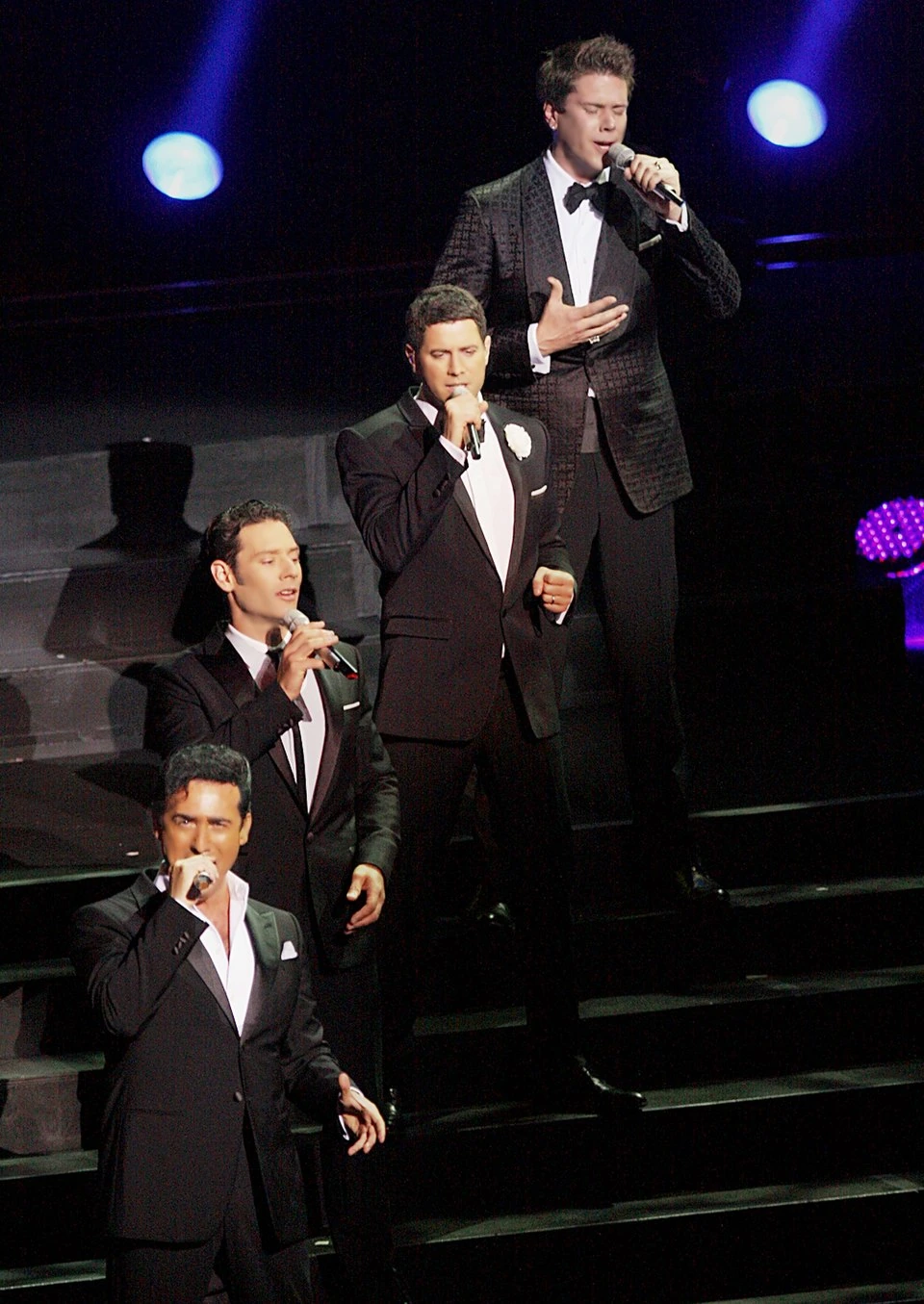
Guida realistica per stimare il patrimonio di Il Divo: differenze tra gruppo e membri, fonti, controlli e red flags.