
If you searched 'pope leo net worth,' the first thing you need to nail down is which Pope Leo you mean. There have been 13 popes named Leo, and the answer looks very different depending on whether you're asking about Pope Leo X (the Renaissance-era Medici pope, 1513–1521), Pope Leo XIII (pope from 1878 to 1903), or the newly elected Pope Leo XIV in 2026. The short answer: Pope Leo X is the one with the most-cited historical wealth figures, and he is frequently described as one of the richest popes in history despite dying with a treasury 400,000 ducats in debt. Pope Leo XIII's personal finances are less precisely documented. Pope Leo XIV, being newly elected, has no established papal net worth estimate yet. Some net worth sites discuss the concept of pope's net worth more broadly, and they can be useful when you're trying to interpret what a “wealth estimate” really means for each Leo.
Pope Leo Net Worth: Best Estimates for Each Pope

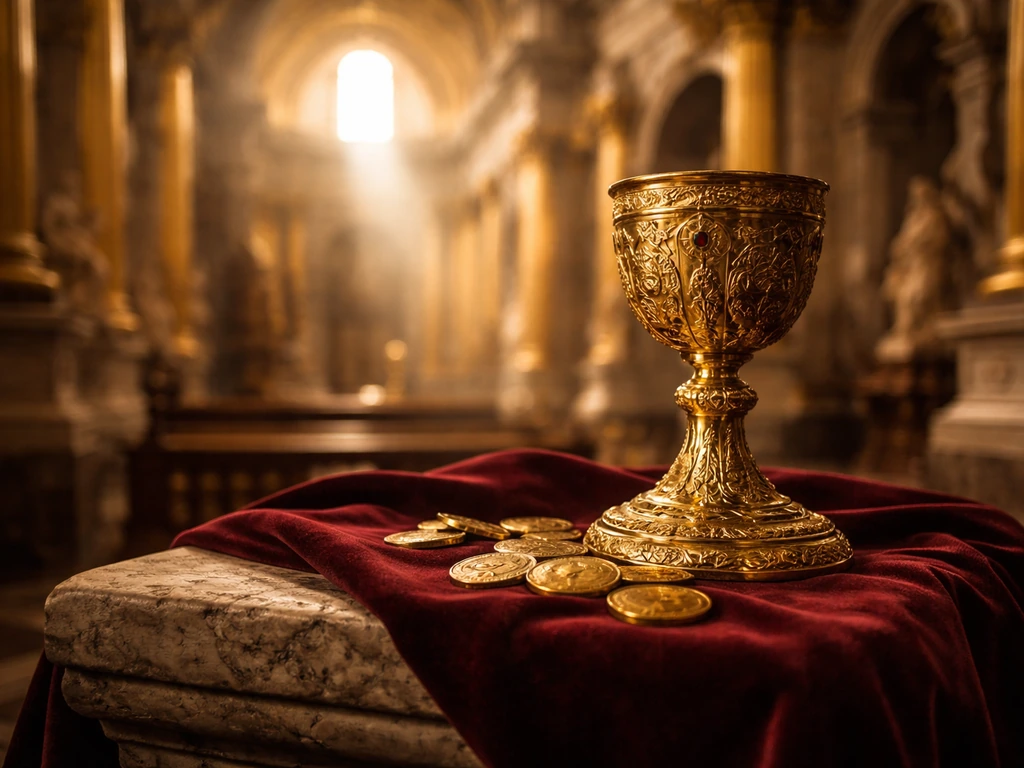
Which Pope Leo are you actually looking for?
This question matters more than it might seem. The name 'Pope Leo' covers more than a thousand years of papal history, and each figure represents a completely different era, financial system, and level of available documentation. Here's a quick breakdown of the three most searched:
| Pope | Pontificate | Why People Search Them | Net Worth Confidence Level |
|---|---|---|---|
| Pope Leo X | 1513–1521 | Renaissance wealth, Medici family ties, indulgences, arts patronage | Moderate — historical records exist but are incomplete |
| Pope Leo XIII | 1878–1903 | Long pontificate, modern-era pope, journalism mentions liquid wealth | Low — no audited financials, mainly anecdotal sources |
| Pope Leo XIV | 2026–present | Newly elected as of April 2026, curiosity about current pope's wealth | Very low — no established estimates yet |
Most net worth reference sites focus on Pope Leo X when you search 'pope leo net worth,' and that's the figure with the most primary source material to work from. If you specifically want Pope Leo XIII, you'll need to look for that page separately, since the two are often conflated in search results.
Pope Leo X: the best-documented wealth estimate

Pope Leo X, born Giovanni di Lorenzo de' Medici in 1475, came from one of the wealthiest families in Europe. He became pope in 1513 and reigned until his death in 1521. His pontificate is the one most associated with extreme papal wealth, massive spending on art and architecture, and the sale of indulgences that helped trigger the Protestant Reformation.
The most reliable historical figures come from contemporary diplomatic accounts. Marino Giorgi, a Venetian diplomat writing in March 1517, estimated the pope's ordinary annual income at around 580,000 ducats: roughly 420,000 ducats from the States of the Church, 100,000 from annates (fees paid when church offices changed hands), and 60,000 from a composition tax that dated back to Pope Sixtus IV. Venetian ambassador Gradenigo, writing around the time of Leo X's death, estimated that there were 2,150 salaried offices in the Church with a combined capital value of nearly 3,000,000 ducats and a yearly income of 328,000 ducats.
However, Leo X spent faster than he collected. Within two years of becoming pope he had spent through the entire treasury left by his predecessor Julius II. By the end of his pontificate in 1521, the papal treasury was 400,000 ducats in debt. To stay solvent he pawned papal jewels, palace furniture, silverware, and statues. He sold cardinalships and borrowed heavily from bankers. So while his income was enormous by any historical standard, his 'net worth' at death was effectively negative in institutional terms.
Modern estimates that convert his wealth into today's dollars vary enormously depending on the conversion method used, and you'll see figures ranging from hundreds of millions to over a billion dollars on various sites. Treat those headline numbers as rough illustrations rather than precise valuations. The honest answer is that Leo X controlled staggering institutional resources but died with the papacy in debt.
Pope Leo XIII: a much harder number to pin down
Pope Leo XIII served from 1878 to 1903, making his pontificate one of the longest in modern history. Unlike Leo X, there are no surviving diplomatic accounting documents that enumerate his personal income or assets with the same level of detail. The most colorful anecdote in circulation, sourced from a Fortune magazine report from 1987, describes Leo XIII allegedly hiding gold coins under his bed, a good journalistic detail, but not exactly an audited balance sheet.
Net worth reference sites that publish a figure for Leo XIII are typically working from a combination of: the known financial scale of the Vatican during his era, general information about how popes of that period managed finances, and comparisons to contemporaneous institutional wealth. These are reasonable inputs, but the confidence level on any specific dollar figure is low. If you find a page listing Pope Leo XIII's net worth, look carefully for how the site explains its methodology before taking the number at face value.
How net worth estimates for popes actually get calculated

Calculating a pope's net worth isn't like calculating a CEO's net worth. There are no SEC filings, no public equity holdings, and no salary disclosures. Estimators working on historical popes rely on a layered set of sources, each with its own limitations.
- Contemporary diplomatic dispatches: Ambassadors from Venice, France, and Spain often sent detailed financial intelligence back to their governments. The Gradenigo and Giorgi estimates for Leo X are the best examples — they're primary sources, written by people with access, but they're still estimates made without modern accounting standards.
- Church administrative records: Annates, compositions, and office-sale revenues were sometimes recorded, giving historians a partial view of income streams. These records are incomplete and not always publicly accessible.
- Chronicler accounts: Contemporary writers described spending habits, debts, and assets in narrative form. These are useful for context but not precise.
- Modern currency conversions: Researchers apply purchasing power or commodity-price conversion methods to translate ducats or scudi into today's dollars. Different methods produce wildly different results, which is a major source of disagreement between websites.
- Institutional wealth attribution: Some estimators include a portion of the broader Church or Vatican assets in a pope's 'net worth,' which dramatically inflates the figure but is technically misleading since popes don't personally own those assets.
For modern popes like Leo XIII, journalists and researchers also factor in news reports, Vatican financial disclosures (which only became more systematic in the 20th century), and institutional context from the Holy See's known revenue streams: donations, tourism, investments managed through bodies like the APSA (Administration of the Patrimony of the Apostolic See) and the IOR (the Vatican Bank). None of that is 'personal' wealth, but it often gets folded into estimates anyway.
The custodian problem: why 'net worth' is a weird concept for a pope
Here's the core conceptual issue with any pope net worth figure: popes don't personally own the assets they control. A pope lives in the Apostolic Palace, uses Vatican resources, and manages institutional wealth, but none of that transfers to him personally and none of it can be inherited or sold for personal gain. This is true today, and it was largely true historically as well, even if the lines were blurrier in Leo X's era when popes could appoint family members to lucrative offices.
The Vatican's finances run through institutional vehicles. The APSA functions as a kind of central treasury for Vatican City, and the IOR provides banking services for Church entities worldwide. Neither represents the pope's personal bank account. When you read that a sitting pope's 'net worth' is X billion dollars because the Vatican owns art and real estate, that's attribution of institutional assets to an individual, which is a stretch, to put it mildly. The same logic would make any CEO of a large organization appear astronomically wealthy.
For historical popes like Leo X, the situation is more complicated. He came from the Medici family and had personal wealth prior to becoming pope, and he clearly spent from what were effectively institutional funds as though they were personal resources. But even then, the papal treasury and his personal finances were not the same thing, which is part of why he could die with the institution in debt while having personally enjoyed extraordinary luxury.
Why estimates vary so much across websites

If you've already done some searching, you've probably noticed that different sites give very different numbers for the same pope. This is normal, and it comes down to a few specific methodological choices that sites don't always explain clearly.
- Currency conversion method: Converting 16th-century ducats to modern dollars is genuinely hard. Using commodity prices (like silver or wheat) gives different results than using wage equivalence or GDP per capita. A $500 million estimate and a $5 billion estimate can both be 'correct' depending on which conversion you use.
- What counts as 'his' wealth: Some sites count only documented personal assets. Others include a portion of institutional Church wealth. Still others count the full value of Church-controlled resources, which produces the largest and least defensible numbers.
- Source quality: Community-generated estimate sites (where users vote on figures) produce very different numbers than sites that cite specific historical records. Neither is necessarily wrong, but they represent very different confidence levels.
- Debt vs. gross assets: Leo X's gross income was enormous, but his net position at death was negative. Sites that report income rather than net position will give a very different (and misleadingly positive) picture.
- Which Pope Leo they're actually reporting on: Some sites conflate Leo X and Leo XIII, or don't make the distinction clear. Always check which pope a page is actually describing.
How to find and verify the best estimate today
When you're using a net worth reference database to look up a pope's estimated wealth, there are a few specific things to check so you get the most reliable figure available.
- Confirm which Pope Leo the page covers: Look for the birth year, family name (de' Medici for Leo X, Pecci for Leo XIII), and pontificate dates right at the top of the page. If those aren't there, be cautious.
- Look for a methodology note or source attribution: A credible net worth page will explain where the figure comes from — whether that's historical accounts like the Giorgi or Gradenigo dispatches, or modern journalism and institutional financial data. If the page just states a number with no explanation, treat it as a rough guess.
- Check whether the estimate is 'gross' or 'net': For Leo X especially, the distinction matters enormously. Gross income/assets looked enormous; net position at death was negative.
- Note the 'estimated' vs 'verified' label: No pope's net worth is verified in the way a publicly traded company's financials are. Any figure you find is an estimate, full stop. Sites that label figures as 'estimated' are being more honest than those that don't.
- Compare at least two reputable reference sites: If two independent reference databases are in the same ballpark using similar methodology, that's a reasonable confidence signal. If they're wildly apart, that's a sign the figure is speculative.
- Look for the currency conversion explanation: If the site gives a modern dollar figure, it should explain the conversion method. If it doesn't, the number is essentially unverifiable.
For Pope Leo XIII specifically, sites like NetworthList publish dedicated pages with their estimates. These are worth checking, but go in with the expectation that the confidence level is lower than it would be for a modern public figure. The underlying documentation just isn't as detailed or accessible as it is for, say, a living celebrity or athlete.
The bottom line on Pope Leo's net worth

If you're looking for Pope Leo X, the honest historical picture is this: he commanded an annual income estimated at 580,000 ducats in 1517, controlled institutional resources worth millions more, and spent so lavishly on arts, wars, and personal luxury that he left the papacy 400,000 ducats in debt. Modern dollar equivalents depend heavily on conversion method, but figures in the hundreds of millions are commonly cited. Treat any precise number as an educated approximation, not a definitive figure. When people ask about the pope net worth at time of death, the answer depends heavily on which pope you mean and how sources treat institutional vs. personal finances.
If you're looking for Pope Leo XIII, expect a lower-confidence estimate based primarily on institutional-scale context and journalistic accounts rather than primary financial records. The figure exists on reference sites but carries significant uncertainty.
If you're curious about Pope Leo XIV, the newly elected pope as of 2026, the concept of 'personal net worth' applies in the same constrained way it does for any modern pope: he is effectively a custodian of institutional wealth rather than a personal owner of it, and any estimate of his pre-papal assets would be the most relevant personal figure. That data isn't yet well-established in reference databases. Related topics worth exploring include the broader question of how the Vatican's institutional wealth is framed as a 'pope's net worth,' as well as the documented personal finances of prior popes like Pope Benedict, where some of the same methodological questions apply. Some reference guides also discuss Pope Benedict net worth using the same kind of constrained, methodology-heavy approach.
FAQ
Which Pope Leo is most people talking about when they say “pope leo net worth”?
Most “pope leo net worth” searches end up referring to Pope Leo X because he has the most-cited, documentary-era income figures and the most dramatic spending and debt details. Pope Leo XIII has fewer primary accounting documents, and Pope Leo XIV’s personal-wealth baseline is not established yet.
Why do net worth websites give wildly different numbers for the same Pope Leo?
The biggest driver is how they treat institutional resources (Vatican treasury, offices, patronage networks) versus personal assets owned by the pope. Some sites implicitly “assign” institutional wealth to the individual, which can create inflated headline figures compared with approaches that focus more narrowly on what the pope could personally control.
Do “net worth at death” claims for Pope Leo X mean he died personally broke?
Not exactly. He could be personally enjoying luxury while the papacy itself ran a deficit, because the treasury, revenues, and spending were organizational. A more accurate interpretation is that the papal institution ended the reign in debt even if Leo X’s lived standard of living was extremely high.
How can I tell whether a “pope leo net worth” figure is mostly institutional attribution or personal wealth?
Look for whether the site explains that the pope does not personally own Vatican assets, and whether the methodology distinguishes between personal income, personal holdings (where any evidence exists), and assets controlled at the institutional level (art, real estate, bank-like entities). If the explanation is vague, treat the number as a broad institutional proxy, not a true personal net worth.
Are there any reliable ways to cross-check estimates for Pope Leo XIII?
Yes, but they will not produce a precise net worth. You can sanity-check a quoted “dollar number” against the scale of Vatican revenues and the typical financial arrangements for popes in the late 19th century, then verify whether the site relies on a narrative anecdote versus any quantifiable financial record. If it is mostly anecdotal, confidence should be low.
What does it mean when a site claims the pope had specific assets like gold coins or hidden money?
A colorful story (like alleged hiding coins) is not the same as an audited asset list. Treat it as a journalistic detail unless the source provides documentation or corroborating records showing amounts, dates, and custody. Otherwise it is best read as character-color rather than balance-sheet evidence.
If popes do not own Vatican assets, why do people still search “pope leo net worth”?
Because many readers want a simple “wealth” metric, but the honest reality is that a pope is more like a custodian of institutional resources than a personal owner. Estimates often reflect the size of the institution under the pope’s control, not a transferable estate.
How should I interpret modern dollar conversions for Pope Leo X’s era?
Conversion methods can swing results dramatically depending on whether a site uses price inflation, wage comparison, or economic share. If a site does not spell out its conversion method, treat the dollar figure as a rough illustration rather than a precise translation of ducats into today’s terms.
Is it fair to compare a pope’s estimated net worth to a CEO’s net worth?
It is usually misleading. CEOs typically own equity and have personal, transferable holdings disclosed through modern reporting. For popes, most high “wealth” claims come from institutional control (assets used for governance and worship), which cannot be inherited or sold like personal assets.
Does Pope Leo XIV have a meaningful net worth estimate already?
Generally no. For newly elected popes, there is no widely accepted, well-documented “papal net worth” figure yet. If you see a number online, it is more likely a speculative proxy, so the most defensible approach is to wait for credible reporting about any pre-papal personal assets and clearly separated institutional context.
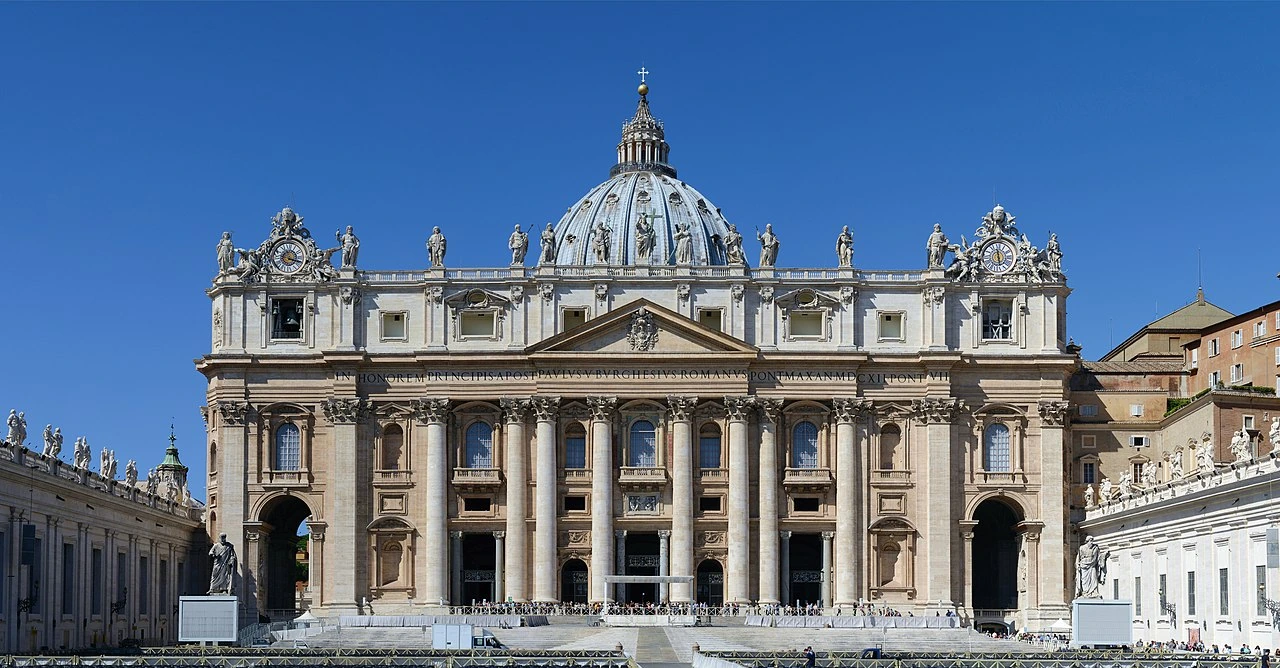
Estimated pope’s net worth, how estimates work, how to verify for the new pope, plus Generoso and Che query fixes.
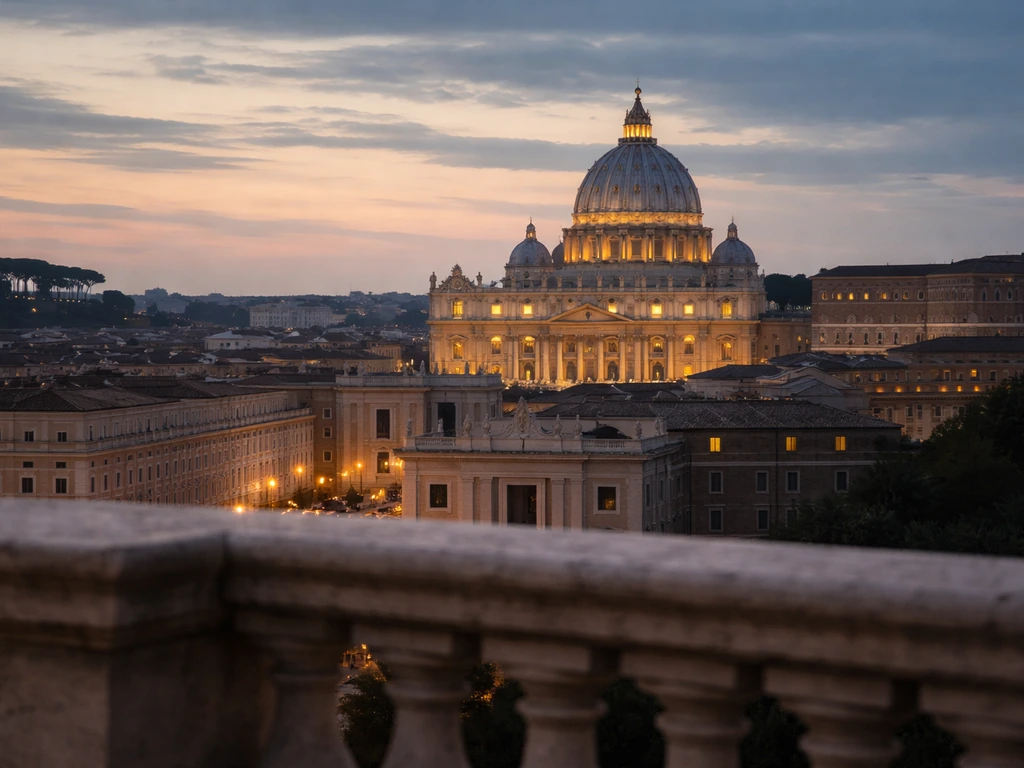
Estimates of Roman Catholic Church net worth, how assets and liabilities are counted, and how to cross-check credible fi

Dolores Catania net worth range, how estimates are calculated from public earnings, assets, and business signals, and wh